Home2025-09-23T16:36:30+00:00

Welcome to Care Approaches in Rehabilitation for Effective Support for Dementia

We are dedicated to transforming dementia care for individuals receiving rehabilitation by equipping providers with the knowledge and tools to offer personalized, compassionate care. Through collaboration and innovative training, we aim to enhance the quality of life for individuals living with dementia.
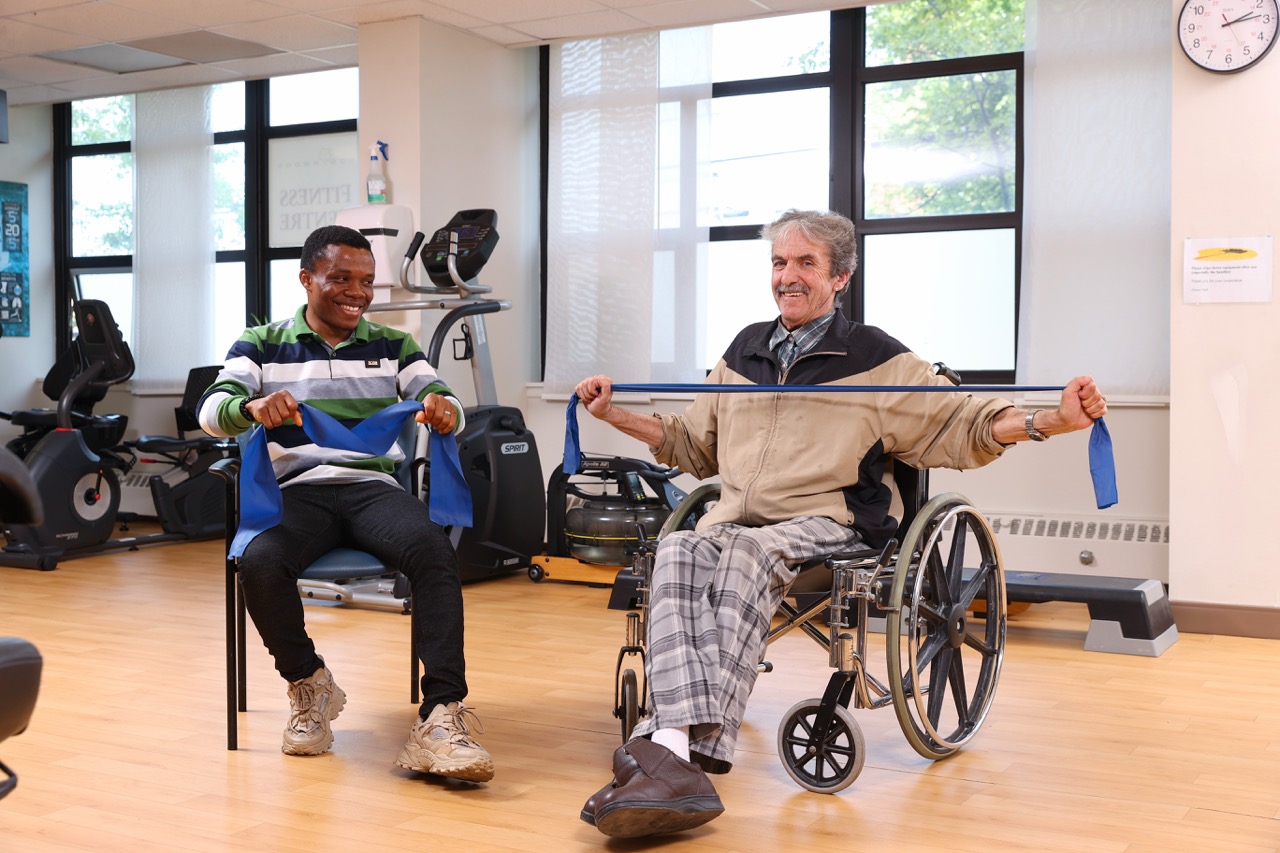
Why It Matters

With an aging population and an increased prevalence of individuals living with dementia, there is an urgent need for rehabilitation services that address their unique challenges. Despite the proven benefits of rehabilitation in improving physical function and quality of life, many individuals with dementia are underserved due to the complexity of their condition. By providing specialized training for rehabilitation providers, we can ensure that dementia-inclusive care becomes the standard, helping individuals living with dementia maintain their dignity, independence, and well-being.

CARES-D Training

Care Approaches in Rehabilitation for Effective Support for Dementia (CARES-D) uses evidence-based information to generate awareness, share knowledge, and inform decision-making for rehabilitation providers working with individuals with dementia.

Evidence-Based Learning

Each module is rooted in cutting-edge research and proven rehabilitation practices for dementia care.

Tailored for rehabilitation Providers

Apply your learning, set goals, and reflect upon your current workplace.

Interactive and Flexible

Engage in interactive activities and complete the training at your own pace, taking breaks when you need them.

Focus on Practical Application

The content is specifically designed to address the unique barriers and facilitators to rehabilitation for individuals living with dementia.

Training Modules

CARES-D course modules offer a comprehensive exploration of rehabilitation in the context of dementia, providing essential knowledge and practical strategies to enhance the well-being and functional abilities of individuals living with dementia. Each module is designed to deepen understanding and equip rehabilitation providers with the skills needed to provide person-centred and effective care.

  • Introduction: Outlining the purpose of the course and providing essential information to help you navigate its structure and resources.
  • Getting Started: Overview of Dementia An overview of dementia, covering its various types, symptoms, progression patterns, diagnostic processes, and the importance of understanding individual rights and consent.

  • Person-Centred, Trauma-Informed, and Interprofessional Care Approaches: Explore interprofessional approaches, including roles and responsibilities among healthcare professionals, to provide comprehensive and responsive care.

  • Communication and Cognitive Strategies: Effective communication and cognitive strategies for physiotherapists working with individuals with dementia, emphasizing techniques that enhance understanding, engagement, and cognitive function.

  • Physical Rehabilitation Approaches: Physical rehabilitation assessments and interventions, using outcome measures and motor learning strategies.

  • Nutrition and Pharmacy: Recognize nutrition patterns and common medications in dementia management that impact rehabilitation services.

  • Safety and Mobility in Rehabilitation Environments: Address safety and mobility considerations, focusing on creating dementia-friendly environments, assistive devices and technology, and restraint use.

  • Care Partner Considerations: Impact of dementia on care partners by identifying signs of burnout, barriers to care, and ways to support care partners.

  • Course Wrap-Up: An opportunity to reflect on your learning journey and offer feedback to help us improve future offerings.

Latest News

Introduction to CARES-D

September 6, 2024|Categories: Dementia-Inclusive Rehabilitation|

This project aims to enhance the quality of rehabilitation services provided to long-term care (LTC) residents living with dementia. With dementia affecting as many as 80% of LTC residents, there is a critical need to ensure that rehabilitation interventions are tailored to meet their unique needs.

Adapting Rehabilitation for Individuals with Dementia

August 20, 2024|Categories: Evidence-Based Practices|

Adapting rehabilitation for individuals living with dementia requires creativity, patience, and a personalized approach. By focusing on clear communication, meaningful activities, and supportive environments, rehabilitation providers can help improve both the physical function and quality of life of individuals with dementia.

Common Challenges Faced by Rehabilitation Providers in Dementia Care

August 15, 2024|Categories: Evidence-Based Practices|

Working with individuals living with dementia presents unique challenges for rehabilitation providers. Dementia affects not only memory but also cognition, communication, and behavior, which can complicate the delivery of rehabilitation services.

Go to Top